Choosing the right kids dentist for your child sets the tone for a lifetime of healthy smiles. The right provider makes visits enjoyable, builds trust, and helps your child develop habits that stick. At Smiles of Palmetto Bay, we know this decision matters. This guide walks you through everything you need to know about how to choose the right kids dentist for your child, from credentials to office culture to what questions to ask along the way.
What Is a Kids Dentist?
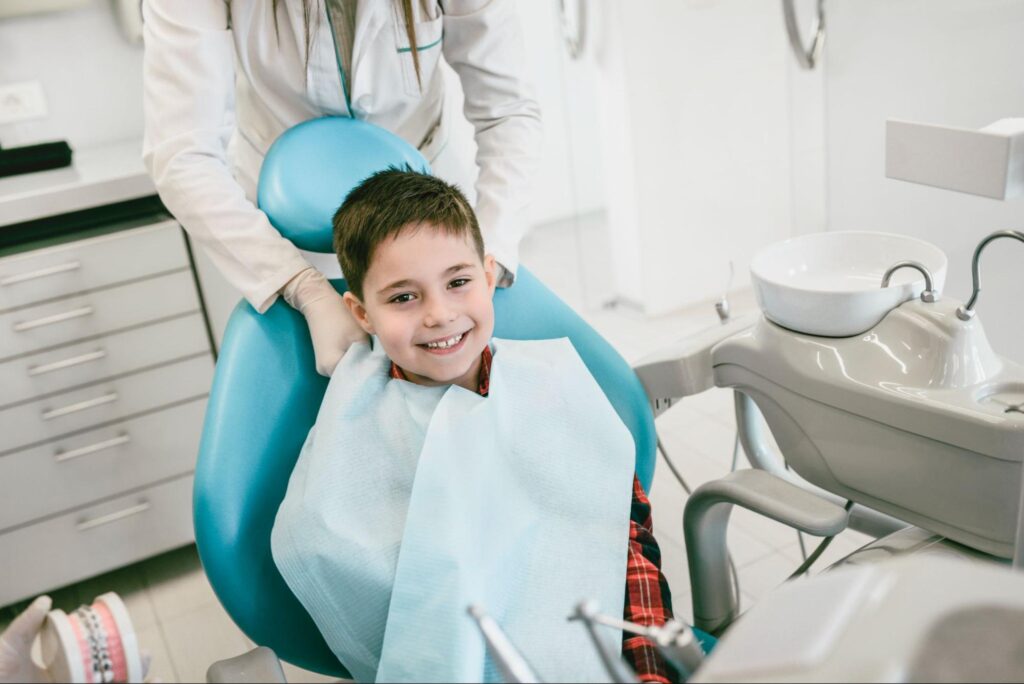
A kids dentist is a specialist who completes 2-3 years of additional training beyond dental school, focused entirely on the oral health of infants, children, and teens. They are trained in child behavior, growth and development, and the unique needs of young mouths, including kids with special health considerations.
Board certification through the American Board of Pediatric Dentistry (ABPD) is the gold standard. It signals that a kids dentist has passed rigorous exams and continues meeting the highest professional benchmarks year after year.
The American Academy of Pediatric Dentistry (AAPD) recommends your child’s first visit by age 1, or within six months of the first tooth. Early visits focus on prevention, guidance, and building comfort, not just cleanings. These first appointments help your little one see the office as a familiar, friendly place.
At Smiles of Palmetto Bay, Dr. Jorman Garcia (known to families as Dr. G) leads our kids dentistry team with a focus on prevention, growth, and gentle behavior guidance.
How to Choose a Kids Dentist: Step-by-Step
Finding the right kids dentist doesn’t have to feel overwhelming. Follow these steps to make a confident choice for your family.
- Start with trusted referrals. Ask your pediatrician, family, friends, and neighbors who they trust. Word of mouth from parents in your community is one of the most reliable places to start when you’re searching for a kids dentist near me.
- Verify credentials. Look up the dentist on the ABPD directory to confirm board certification. Check their website for training details, memberships (like AAPD), and years of experience.
- Read reviews across platforms. Don’t stop at one site. Google, Yelp, and healthcare-specific platforms give you a rounded picture. Look for patterns, not one-off comments. Named testimonials add credibility.
- Tour the office. A quick visit tells you a lot. Is the space kid-friendly? Are the staff warm? Does the waiting area feel welcoming? A fun, modern office matters more than you might think.
- Schedule a meet-and-greet. Many offices, including ours, offer a chance to meet the dentist before booking a full visit. Watch how your child responds. Does the dentist get down to their level? Do they explain things in kid-friendly language?
- Trust your instincts. You know your child best. If something feels off, keep looking. If your child leaves smiling, you’ve likely found the right fit.
Key Qualities and Benefits of the Right Kids Dentist
Not every kids dentist is the same. Below are the qualities that separate a good office from a great one, along with why each one matters for your family.
Why Does Specialized Training Matter?
A board-certified kids dentist has proven expertise in treating young patients. This training covers everything from a toddler’s first check-up to a teen’s wisdom teeth evaluation. Specialty training also includes child psychology, growth patterns, and gentle behavior guidance techniques that general dentists typically don’t study in depth. When your child sits in a chair with a specialist, they benefit from years of focused study on how young mouths grow and how kids best respond to care.
What Makes an Office Kid-Friendly?
Bright colors, engaging themes, and child-sized equipment help kids feel at ease. When children associate the office with positive experiences, they grow into adults who don’t dread the dentist. Look for waiting areas with books or games, chairside distractions like ceiling TVs, and a team that greets your child by name. These small touches create big differences in how your child feels about every future visit.
How Important Is a Preventive Focus?
Sealants, fluoride treatments, nutritional counseling, and hygiene education are the foundation of great kids dentistry. Prevention saves your child from bigger issues down the road and helps establish habits that carry into adulthood.
Why Should Communication with Parents Be Clear?
You should never leave a visit confused. The right dentist explains findings, treatment options, and next steps in plain language. They welcome your questions and take the time to answer them thoroughly.
What About Services Under One Roof?
Offices that offer prevention, restorative care, and orthodontics simplify your family’s life. At Smiles of Palmetto Bay, families can transition from kids dentistry with Dr. Garcia to orthodontic care with Dr. Greg Ross or Dr. Cassandra Iglesias, both board-certified orthodontists, without changing offices.
Other qualities worth noting:
- Experience with emergencies and special needs. Kids get bumps, chipped teeth, and unexpected toothaches. A well-equipped office handles urgent situations calmly. Providers trained in special needs care create inclusive experiences for every child.
- Modern technology. Digital scanners, digital X-rays, and current sterilization standards signal a practice that invests in quality care.
- Positive rapport with kids. Watch how the dentist and team interact with your child. Warmth, patience, and playfulness go a long way.
Kids Dentist vs. General or Family Dentist
Understanding the difference between a pediatric specialist and a general dentist helps you make the right call for your family.
| Factor | Kids Dentist | General/Family Dentist |
|---|---|---|
| Training | Dental school + 2-3 years pediatric residency | Dental school only |
| Patient Ages | Infants through late teens | All ages |
| Office Design | Child-sized equipment, kid-themed spaces | Adult-focused, general layout |
| Behavior Guidance | Trained in child psychology and coping techniques | Limited pediatric-specific training |
| Special Needs Care | Specialty strength with dedicated training | Varies by provider |
| Family Continuity | Focused solely on kids | Whole family sees one provider |
Kids dentists spend years learning how children think, grow, and respond to care. They handle everything from a nervous 4-year-old’s first cleaning to a teen who needs sealants and orthodontic evaluation.
General and family dentists offer the convenience of one office for everyone. That works for some families. But if your child feels uneasy at appointments, has special needs, or has specific developmental concerns, a specialist is often the better fit.
At Smiles of Palmetto Bay, our kids dentistry and orthodontic teams work side by side. Your child gets specialty-level care from Dr. Garcia, and when it’s time for braces or clear aligners, Dr. Ross is right there.
Is Your Child Ready? When to Start Kids Dental Visits
According to the AAPD, your child should have their first dental visit by age 1, or within six months of the first tooth erupting. Early visits build familiarity, catch small issues early, and set the foundation for lifelong oral health.
After the first visit, most kids benefit from check-ups every six months for cleanings, monitoring, and preventive care.
Signs it might be time to switch kids dentists:
- Your child resists or dislikes every visit
- Communication with the office feels rushed or unclear
- The space feels outdated or lacks proper cleanliness
- You’re not getting clear treatment explanations
- Your child has special needs that aren’t being fully supported
Kids with special health needs especially benefit from a specialty-trained provider who understands behavior guidance and inclusive care.
For teens, the transition to adult dental care or orthodontic treatment is another key moment. If your teen is ready for braces or clear aligners, a practice like ours makes that handoff simple and smooth for the whole family.
Frequently Asked Questions
How do I pick a kids dentist?
Start by asking your pediatrician and other parents for referrals. Verify the dentist’s board certification through the ABPD, read reviews across multiple platforms, and confirm insurance details. Then tour the office and schedule a meet-and-greet to see how your child responds to the environment and provider. Trust your gut on the fit.
What is the 7/4 rule in kids dentistry?
The 7/4 rule is a general guideline suggesting children should have their first orthodontic evaluation by age 7, and that the four permanent first molars typically erupt around age 6-7. This is why the American Association of Orthodontists recommends an orthodontic check-up by age 7 to catch developing issues early.
What is the 3-3-3 rule in dentistry?
The 3-3-3 rule is a common oral hygiene guideline: brush 3 times a day, for 3 minutes, and wait 30 minutes after eating before brushing. It’s a simple framework parents can teach kids to build consistent, effective brushing habits that last.
What is the Rule of 7 in kids dentistry?
The Rule of 7 refers to the AAO recommendation that children have their first orthodontic evaluation by age 7. At this age, enough permanent teeth have erupted to identify bite issues, crowding, or jaw growth concerns that may benefit from early intervention.
At what age should my child first see a kids dentist?
The AAPD recommends the first dental visit by age 1, or within six months of the first tooth appearing. Early visits focus on prevention, parent education, and helping your child feel comfortable in the dental office from the start.
Do kids dentists accept dental insurance?
Most kids dentists accept a range of dental insurance plans, and preventive visits like cleanings and check-ups are typically covered. Always call the office directly to confirm in-network status and ask about coverage for your child’s specific needs.
Choosing the right kids dentist is one of the most important decisions you’ll make for your child’s health and confidence. At Smiles of Palmetto Bay, our team is here to help every child live life smiling, from their very first visit through their teenage years.